The 10 Most Important Elements of Effective Packaging Design
What really matters when designing packaging that gets noticed, understood, and chosen.
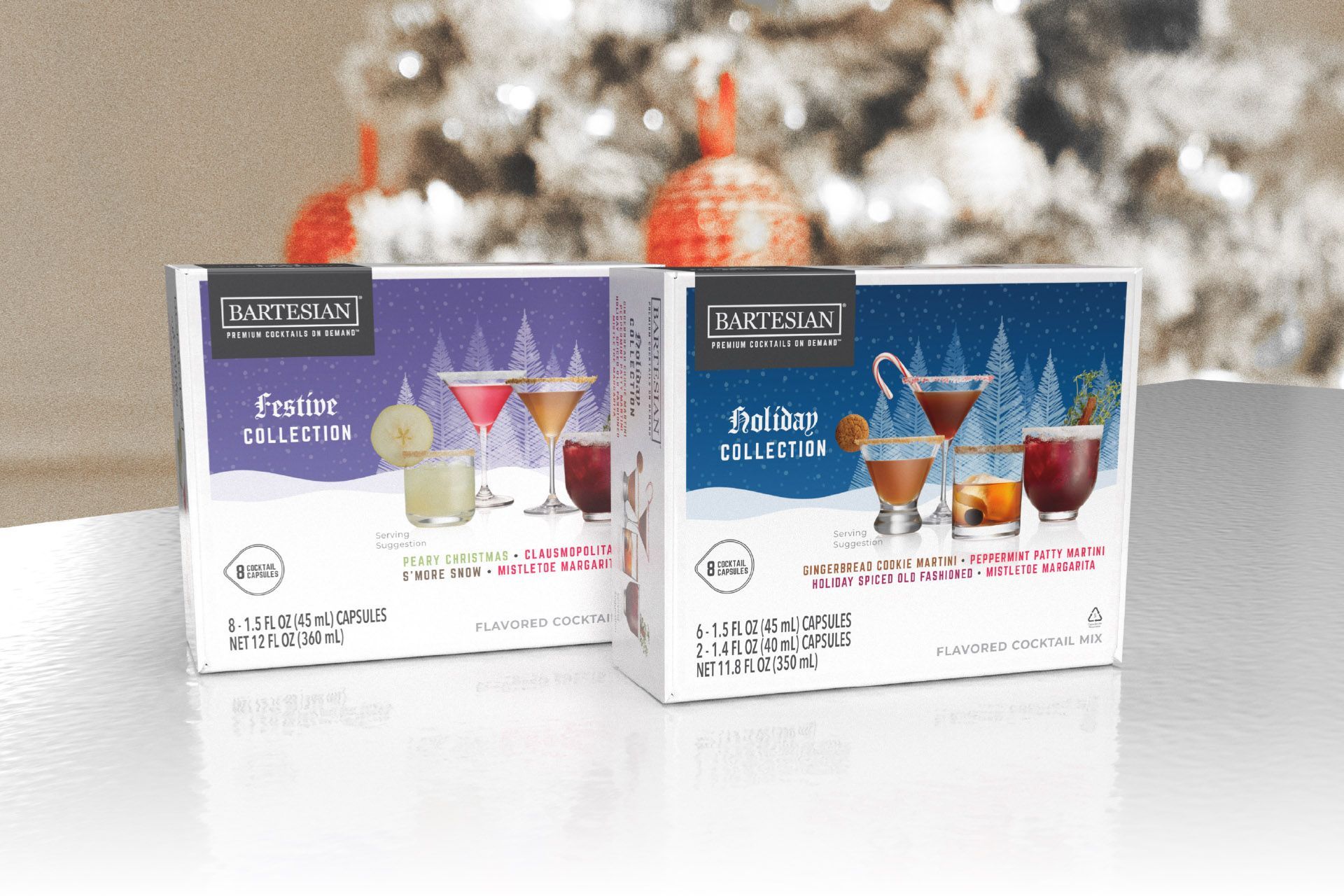
Packaging isn’t decoration—it’s communication. It’s often the first real interaction someone has with your brand, and in a lot of cases, it’s the thing that decides whether your product gets picked up or ignored.
Good packaging doesn’t just sit there looking nice. It works. Here’s what actually matters.
1. Say What It Is—Fast
You don’t get time to explain. At a glance, people should know what the product is, who it’s for, and why it matters. If they have to think about it, you’ve already lost them.
2. Make It Feel Like the Brand
Packaging should never feel disconnected from the rest of your brand. It’s not a one-off project—it’s part of a system. The colours, type, tone, and attitude all need to line up so it feels intentional and recognizable.
3. Stand Out (Without Shouting)
Everything on a shelf is trying to get attention. The goal isn’t to be louder—it’s to be clearer and more confident. Strong design stands out because it knows what to say and what to leave out.
4. Know Who You’re Talking To
You’re not designing for everyone. You’re designing for someone specific. The more clearly you understand that person, the easier it is to make decisions that actually connect.
5. Control What People See First
Design is about direction. You’re guiding someone’s eye, not overwhelming it. Lead with the most important message, then support it. If everything is competing, nothing wins.
6. Think Beyond the Surface
Packaging isn’t just graphics—it’s form. The material, the weight, the way it opens, the way it sits in your hand. All of that communicates quality before someone even uses the product.
7. Make It Easy to Use
If the experience is frustrating, the design has failed—no matter how good it looks. Packaging should feel intuitive. Open it, use it, put it back. No friction.
8. Give People a Reason to Care
The best packaging makes you feel something. It might be subtle, but it’s there—confidence, curiosity, nostalgia, trust. That emotional layer is what turns a product into a brand.
9. Include What Matters (Without Killing the Design)
There’s always information that has to be there—ingredients, instructions, legal copy. The job isn’t to hide it, but to integrate it so it feels considered, not crammed in at the end.
10. Design for the Real World
Great ideas still have to get printed, shipped, and produced at scale. If it’s not realistic, it’s not good design—it’s just a concept. Understanding production early saves time, money, and compromises later.
Final Thought
Packaging is where strategy meets reality. It’s branding you can hold. When it’s done right, it doesn’t just contain the product—it reinforces the entire experience around it.
And that’s the difference between something that looks good… and something that actually works.
Let’s Build Something That Works
If your packaging isn’t pulling its weight—or you’re starting something new—this is where I can help. At Active Reason Design, I work with businesses to create packaging that’s not just visually strong, but strategically built to connect, communicate, and sell.
Whether you need a full packaging system or you’re refining what you already have, the goal is the same: make it clear, make it memorable, and make it work.
Let’s build something that earns its place on the shelf.